第七届物联网、人工智能与电气能源国际学术会议(IoTAIEE 2026)在兰州圆满落幕!
The 7th International Conference on Internet of Things, Artificial Intelligence and Electronical Energy (IoTAIEE 2026) Successfully Concludes in Lanzhou!
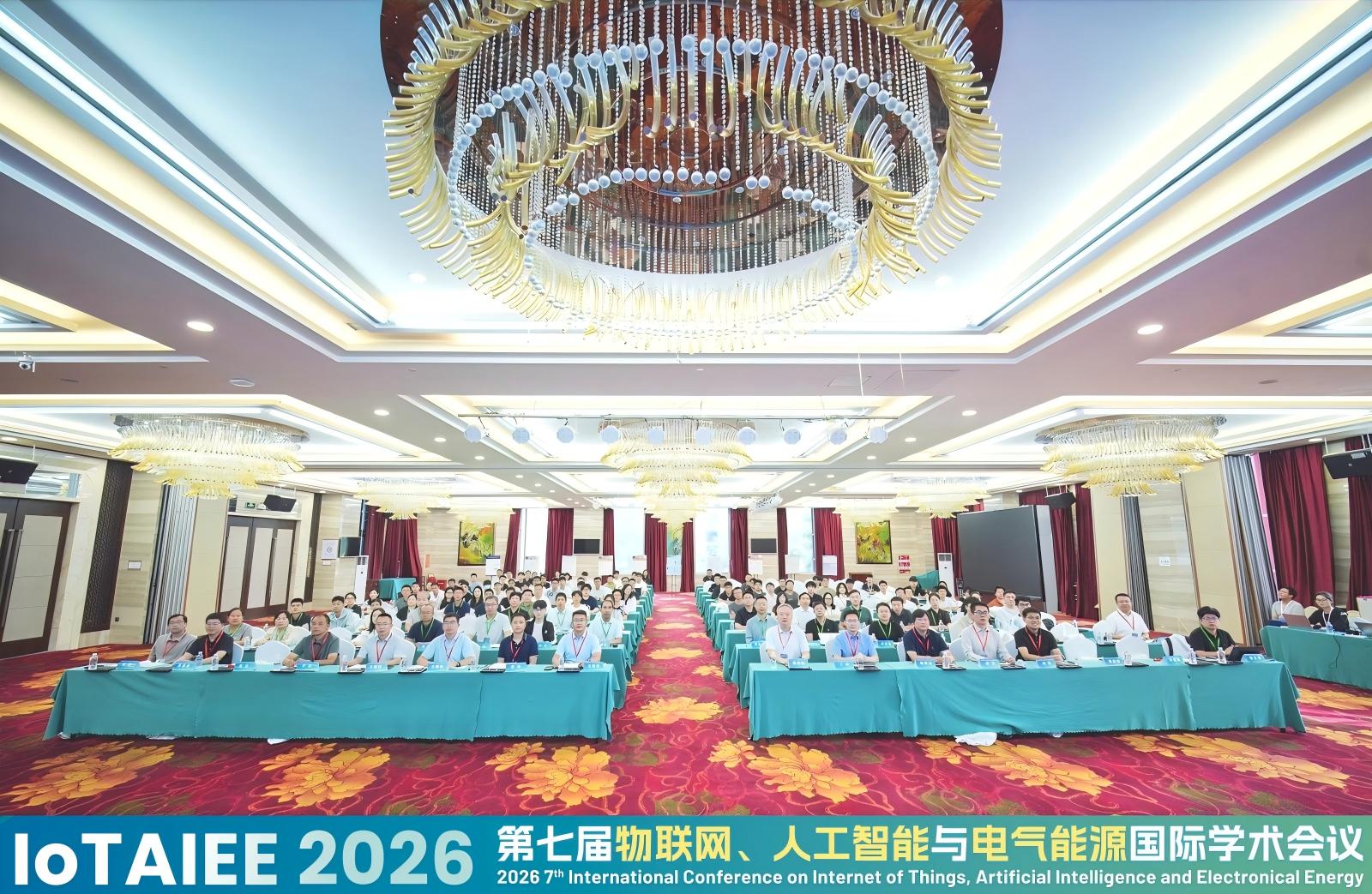
From August 21 to 23, 2026, the 7th International Conference on Internet of Things, Artificial Intelligence and Electronical Energy (IoTAIEE 2026) was successfully held in Lanzhou, Gansu Province.
2026年8月21日至23日,第七届物联网、人工智能与电气能源国际学术会议(IoTAIEE 2026)在甘肃兰州成功召开。
The conference was hosted by Lanzhou Jiaotong University and organized by the School of New Energy and Power Engineering of Lanzhou Jiaotong University, with co-organizers including Lanzhou University, Shaanxi University of Science and Technology, Gansu Provincial Technology Innovation Center for Energy Storage Systems and Operation Control, Inner Mongolia University of Technology, Lanzhou University of Technology, Huazhong University of Science and Technology, Hubei University of Arts and Science, Lanzhou Institute of Technology, and Lanzhou Petrochemical University of Vocational Technology.
会议由兰州交通大学主办,兰州交通大学新能源与动力工程学院承办,兰州大学、陕西科技大学、甘肃省储能系统与运行控制技术创新中心、内蒙古工业大学、兰州理工大学、华中科技大学、湖北文理学院、兰州工业学院、兰州石化职业技术大学等单位协办。
As an important international academic event in the fields of Internet of Things, artificial intelligence and electrical energy, the conference brought together nearly 200 experts and scholars from universities, research institutes and enterprises around the world. Through a combination of offline and online formats, they engaged in in-depth exchanges on cutting-edge technologies.
作为物联网、人工智能及电气能源领域的重要国际学术盛会,本次大会汇聚了来自全球高校、科研院所和企业的专家学者近两百人,通过线下与线上相结合的方式,围绕前沿技术展开了深度交流。
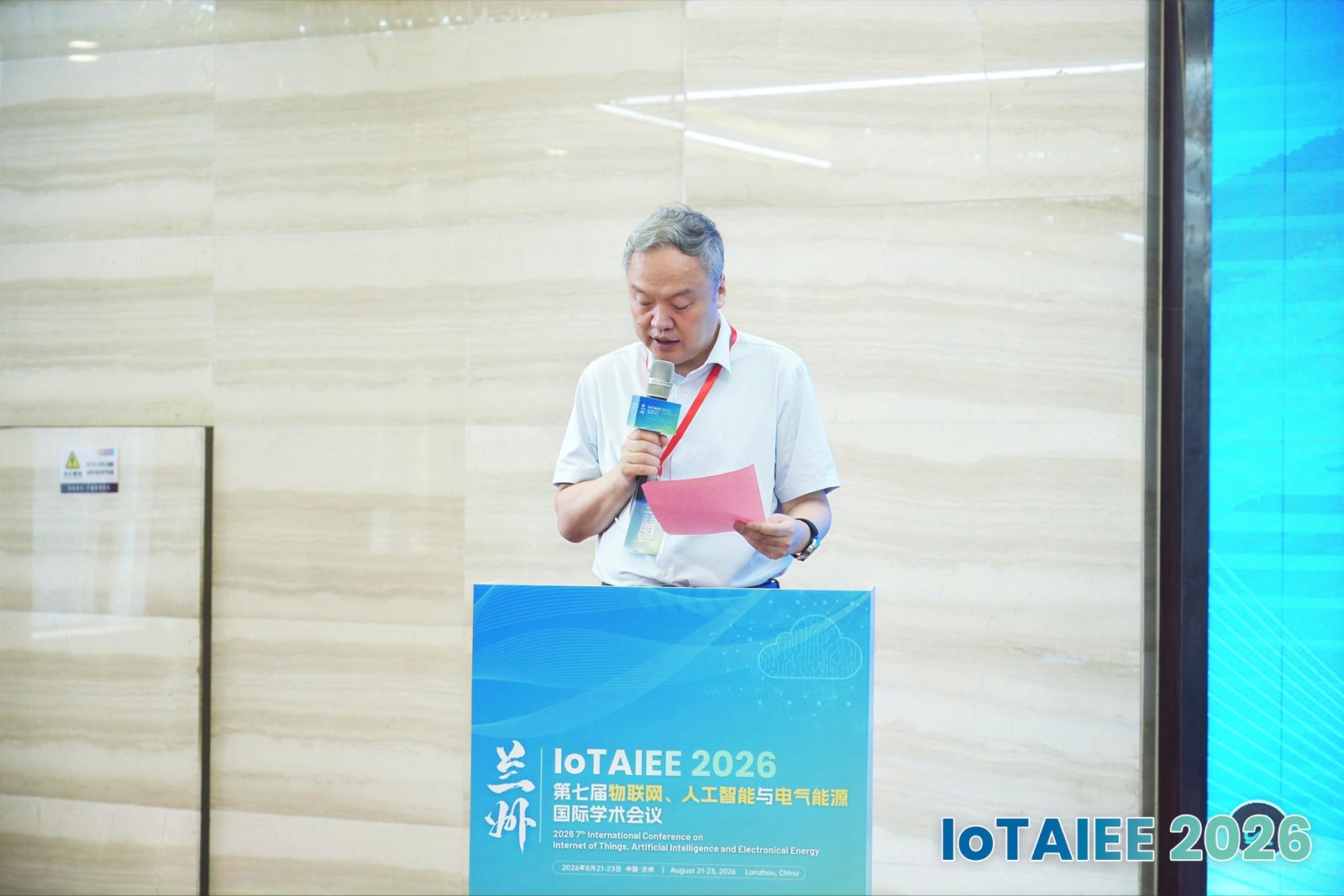
On the morning of August 22, the conference officially opened. Professor Huo Haifeng, Member of the Standing Committee of the Party Committee and Vice President of Lanzhou Jiaotong University, attended the opening ceremony and delivered a welcome speech, extending a warm welcome to experts and scholars from home and abroad on behalf of the host. Huo Haifeng stated that the university actively aligns with the national "dual carbon" strategy, leverages its disciplinary strengths in new energy and electrical engineering, and actively serves the national energy transition and the development of the western region. He expressed the hope that this conference would build a bridge for cooperation between academia and industry, and promote scientific research outcomes to serve regional economic and social development and national scientific and technological self-reliance.
8月22日上午,大会正式开幕。兰州交通大学党委常委、副校长霍海峰教授出席开幕式并致欢迎辞,代表主办方欢迎海内外专家学者。霍海峰表示,学校主动对接国家“双碳”战略,发挥新能源与电气工程学科优势,积极服务国家能源转型与西部大开发,期待本次会议为学界与产业界搭建合作桥梁,推动科研成果服务区域经济社会发展和国家科技自立自强。
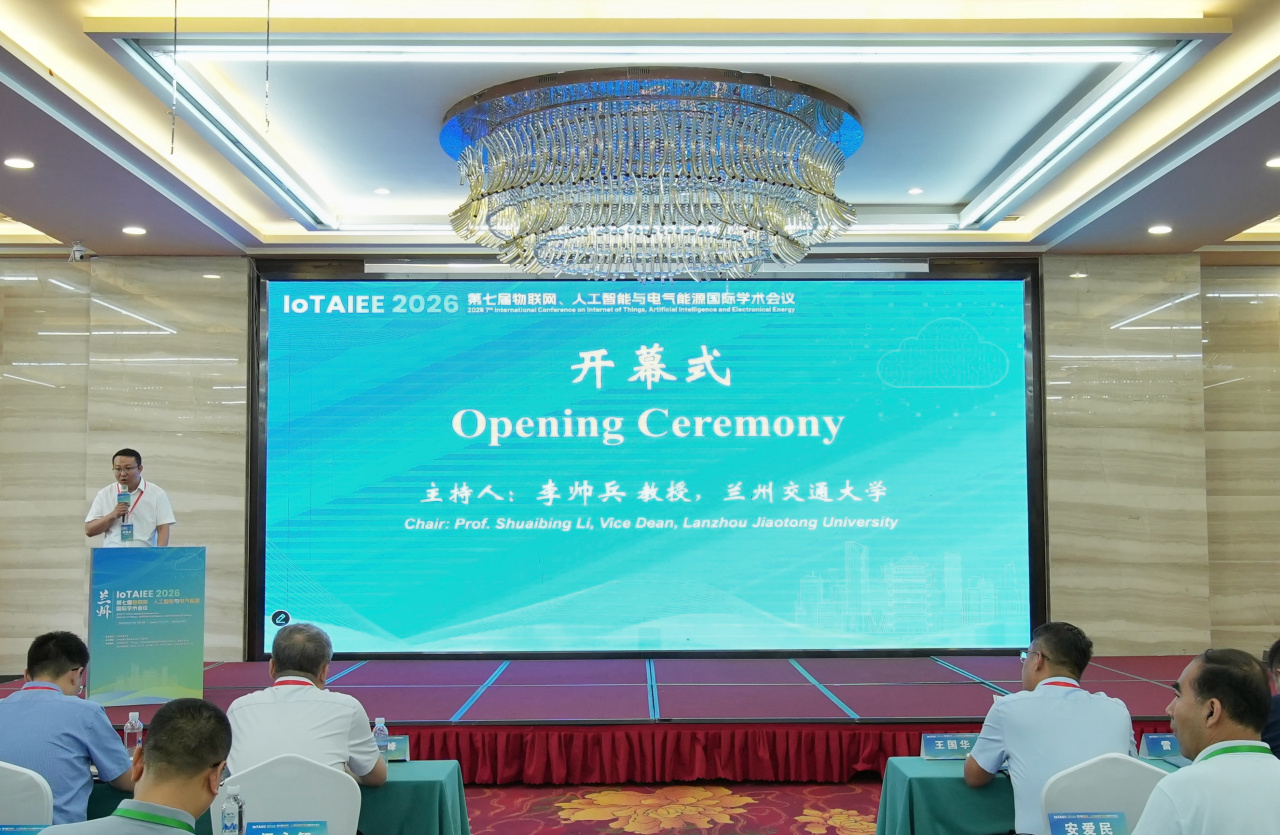
The opening ceremony was moderated by Professor Li Shuaibing, Vice Dean of the School of New Energy and Power Engineering, Lanzhou Jiaotong University.
开幕式由兰州交通大学新能源与动力工程学院副院长李帅兵教授主持。
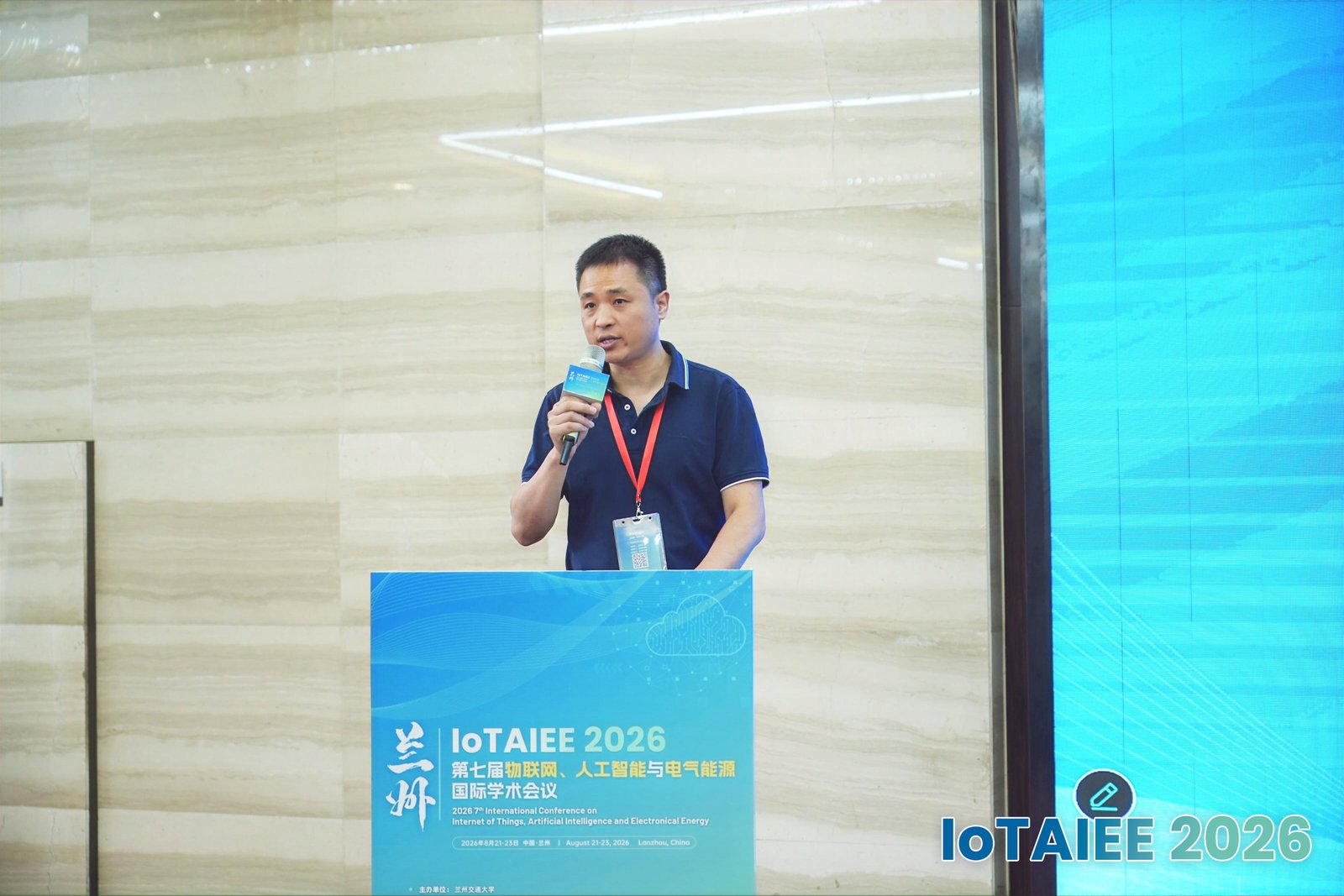
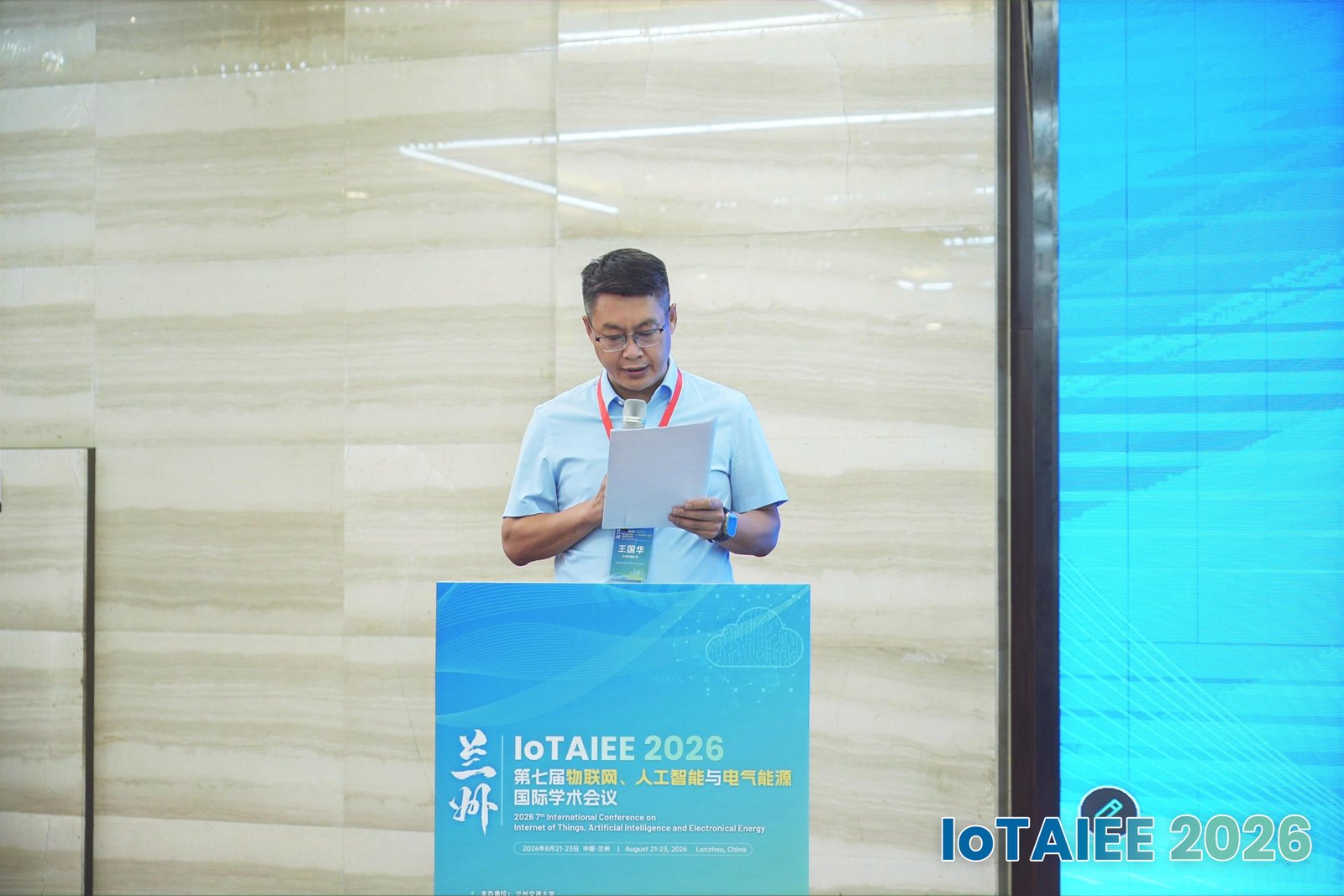
The conference featured 4 keynote reports and 3 thematic sessions. The keynote report session was led by four national-level talents. The keynote report segment was moderated by Professor Lei Tao from Shaanxi University of Science and Technology and Professor Wang Guohua, Party Secretary of the School of New Energy and Power Engineering, Lanzhou Jiaotong University, respectively.
会议共设置4场大会主旨报告和3场专题报告。大会主旨报告环节由四位国家级人才领衔。主旨报告部分由陕西科技大学雷涛教授、兰州交通大学新能源与动力工程学院党委书记王国华教授分别主持。
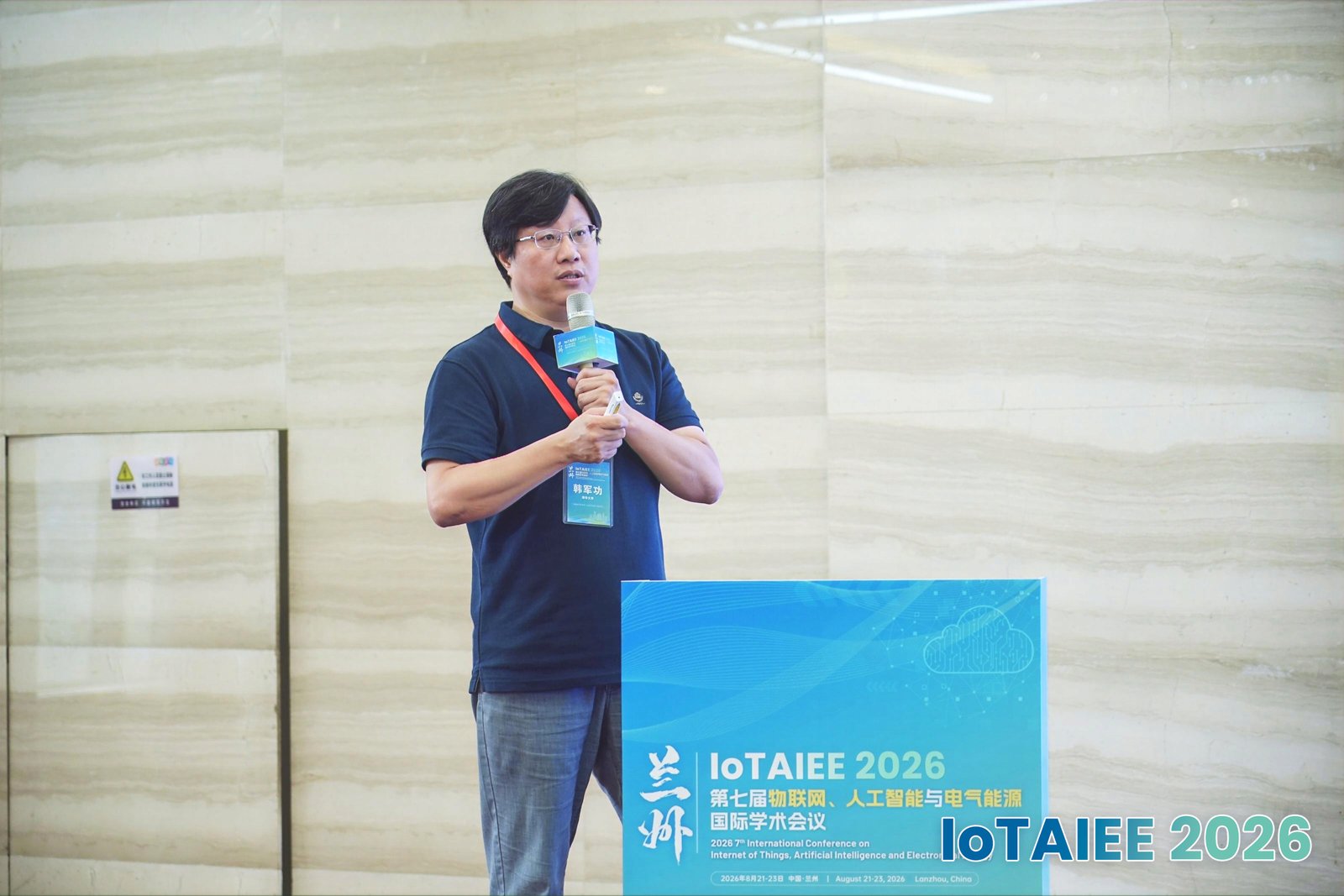
Professor Han Jungong (Tsinghua University), IAPR Fellow and National High-level Talent, delivered a talk titled "The Paradigm Evolution of Multimodal Intelligence: From Disembodied Perception to Embodied Cognition." He systematically reviewed the development trajectory of multimodal intelligence, from multimodal representation learning and large models to generative artificial intelligence, with a focus on the unified modeling of perception, reasoning and action in embodied intelligence. He also shared his team's latest research progress in representation learning for open-environment generalization, active perception, and causal reasoning.
韩军功教授(清华大学),IAPR Fellow、国家级高层次人才,以“多模态智能的范式演进:从离身感知到具身认知”为题,系统梳理了多模态智能的发展脉络,从多模态表示学习、大模型到生成式人工智能,重点探讨了具身智能中感知、推理与行动的统一建模问题,并分享了团队在面向开放环境泛化的表示学习、主动感知及因果推理等方面的最新研究进展。
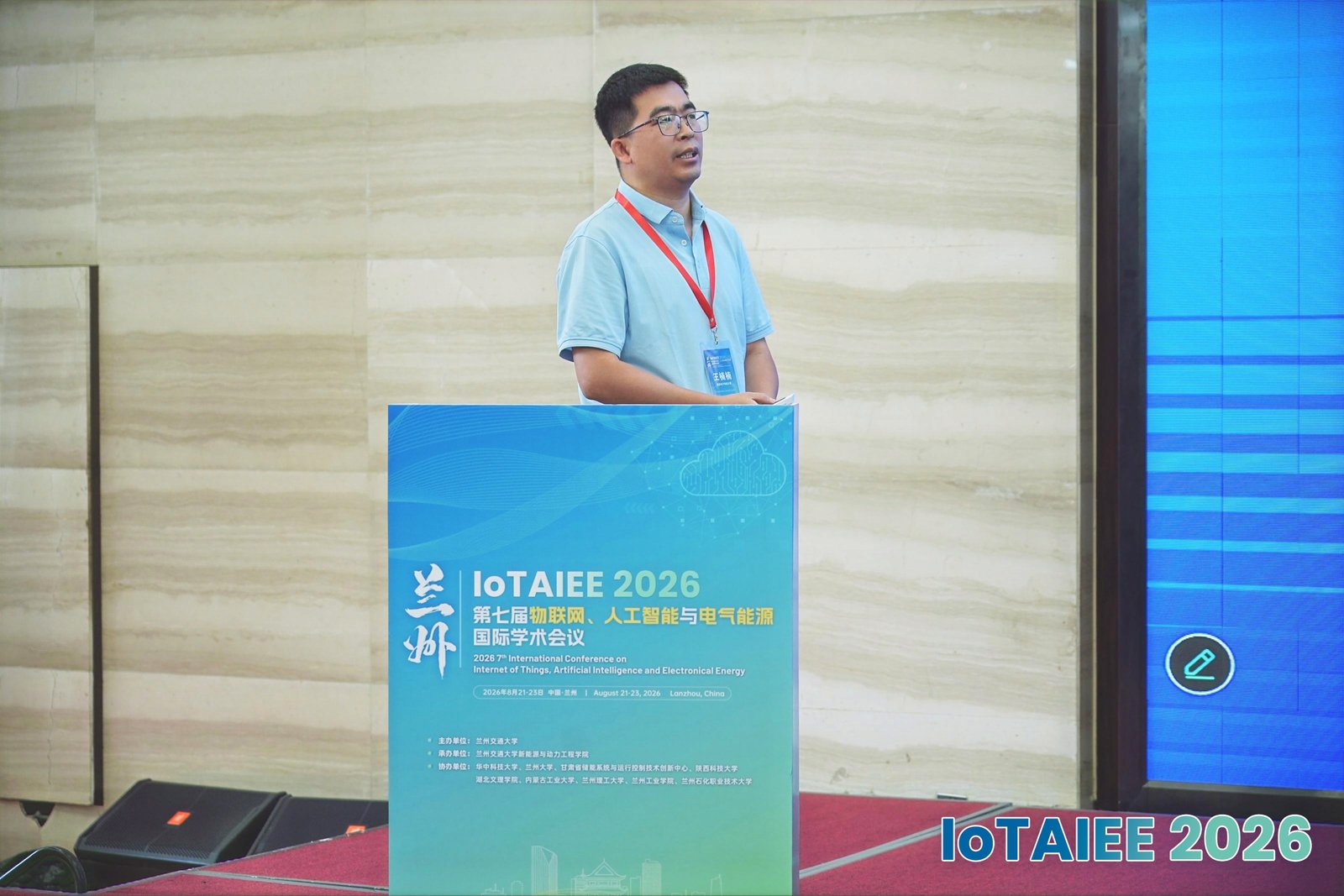
Professor Wang Nannan (Xidian University), National Young Talent, delivered a talk titled "Visual Content Generation for Efficient Edge-Device Inference." Addressing the high computational complexity of visual content generation models, he systematically introduced lightweight large-model technologies for edge deployment from three dimensions: network architecture design, single-step inference algorithms, and low-bit quantization, providing a comprehensive solution for balancing resource consumption and performance.
王楠楠教授(西安电子科技大学),国家级青年人才,以“面向边端高效推理的视觉内容生成”为题,针对视觉内容生成模型的高计算复杂度问题,从网络架构设计、单步推理算法及低比特量化三个维度,系统介绍了面向边端部署的大模型轻量化技术,为构建资源消耗与性能之间的平衡提供了完备解决方案。
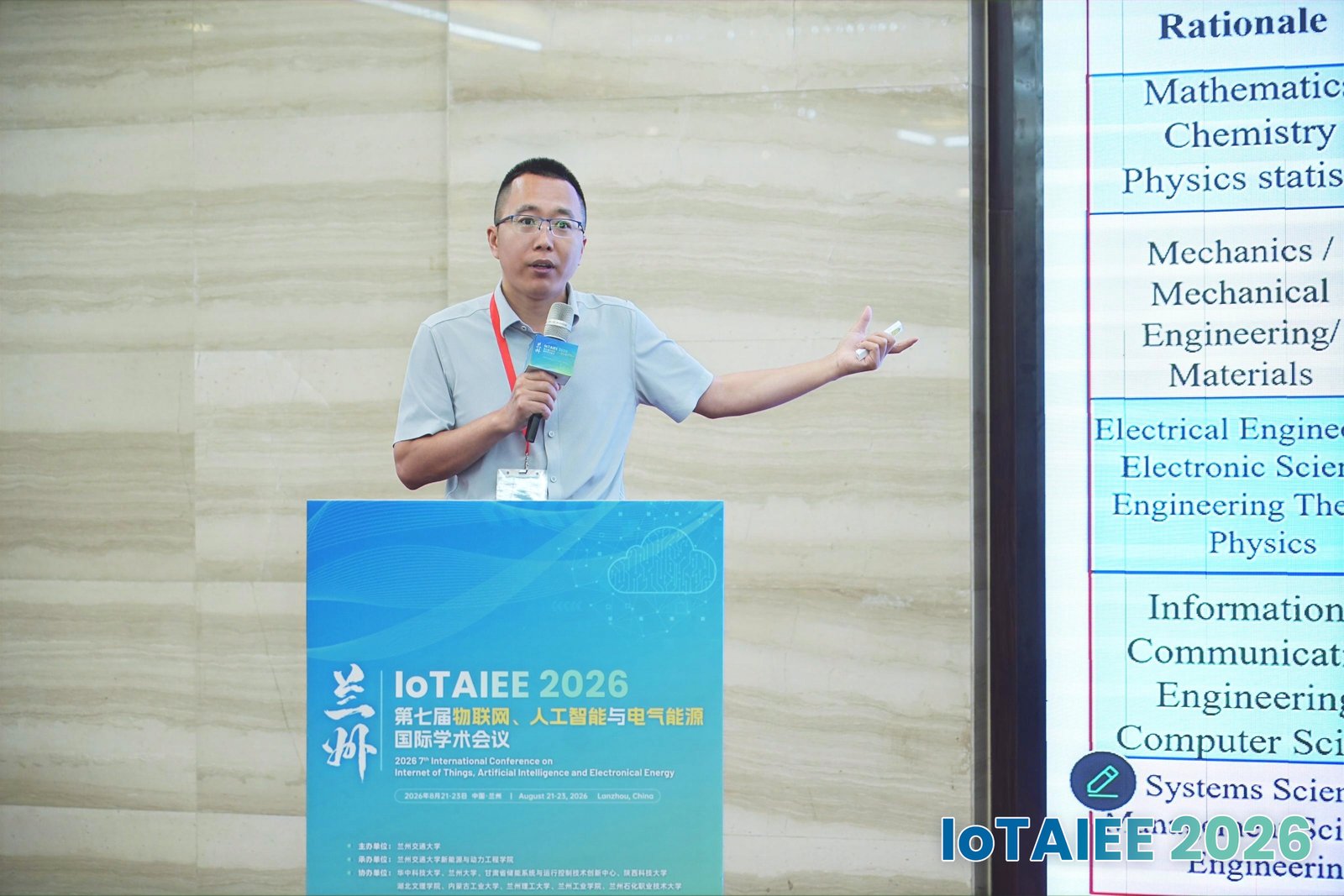
Professor Wang Shunli (Inner Mongolia University of Technology), IET Fellow and Global Top 2% Scientist, delivered a talk titled "Situational Awareness Technology and Application for Electrochemical Energy Storage Power Stations in Intelligent Electrical Energy Systems." Focusing on the national strategic demand for clean energy grid integration, he detailed modeling and condition monitoring methods for electrical energy systems, and proposed a multi-dimensional information fusion online estimation algorithm that significantly improved the intelligent level of safety monitoring for large-scale energy storage systems.
王顺利教授(内蒙古工业大学),IET Fellow、全球前2%顶尖科学家,以“智能电气能源系统电化学储能电站态势感知技术及应用”为题,围绕清洁能源并网的国家战略需求,详细介绍了电气能源系统建模与状态监测方法,提出了多维信息融合在线估计算法,显著提升了规模化储能系统安全监测的智能化水平。
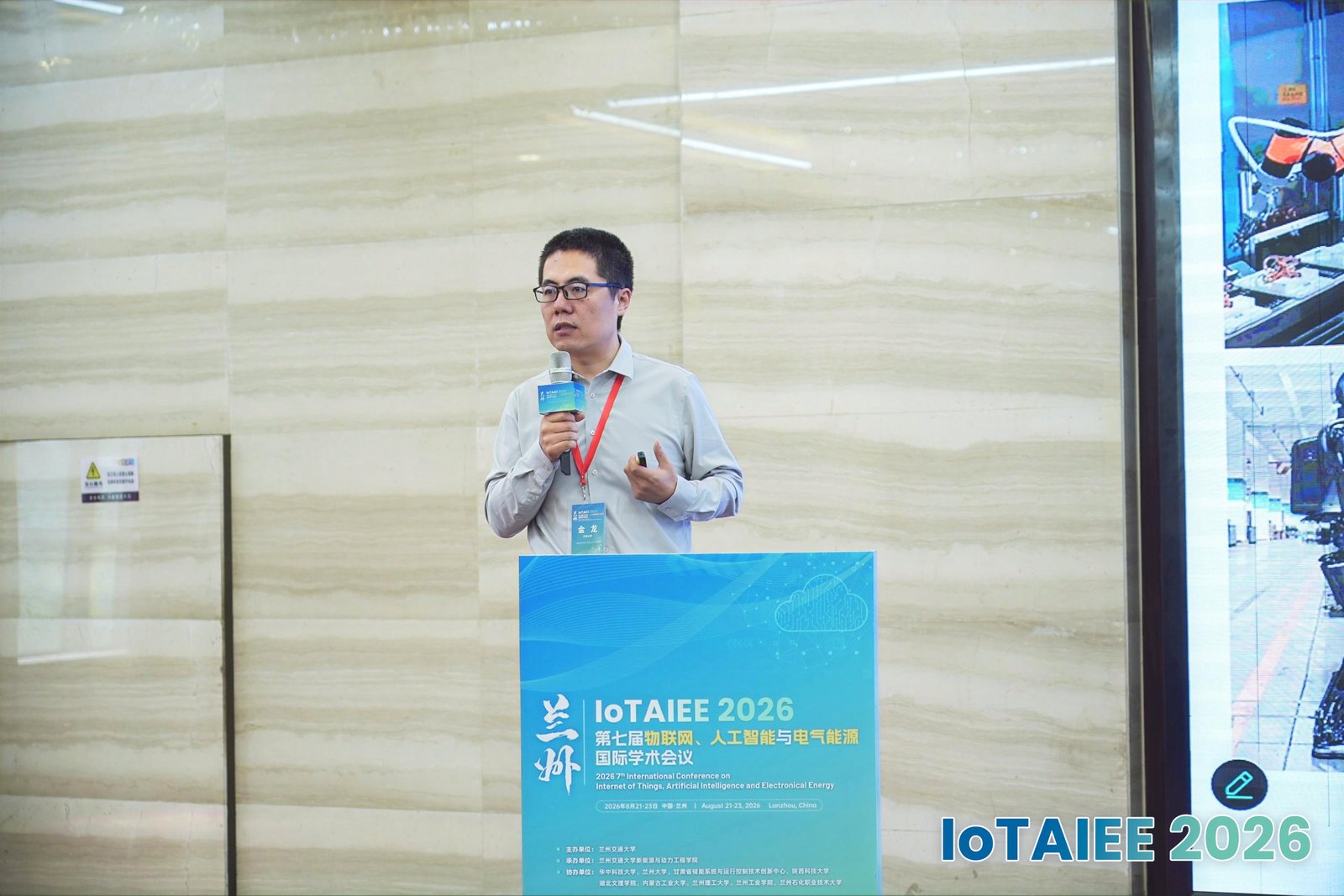
Professor Jin Long (Lanzhou University), National Young Talent, delivered a talk titled "Manipulability Optimization of Redundant Robots." Focusing on manipulability as a key indicator for quantifying the motion flexibility of redundant robot end-effectors, he elaborated on the theoretical and technical pathways for manipulability optimization, providing important support for robot motion planning and control.
金龙教授(兰州大学),国家级青年人才,以“冗余机器人可操作度优化”为题,围绕可操作度这一量化冗余机器人末端执行器运动灵活性的关键指标,阐述了可操作度优化的理论与技术路径,为机器人运动规划与控制提供了重要支撑。
The four scholars approached their topics from four dimensions: embodied intelligence, edge-device visual generation, energy storage situational awareness, and robot optimization. It was precisely this diversity that sparked unexpectedly heated discussions—core issues such as multimodal representation learning, lightweight inference, multi-source information fusion, and motion flexibility modeling were repeatedly cross-referenced in the exchanges. The collision of perspectives from different fields allowed each to see new ideas for solving their own problems.
四位学者分别从具身智能、边端视觉生成、储能态势感知、机器人优化四个维度切入,正是这种差异激发了超出预期的讨论热度——多模态表示学习、轻量化推理、多源信息融合、运动灵活性建模等核心议题在交流中被反复交叉提及。不同领域的视角相互碰撞,让彼此看到了解决各自问题的新思路。
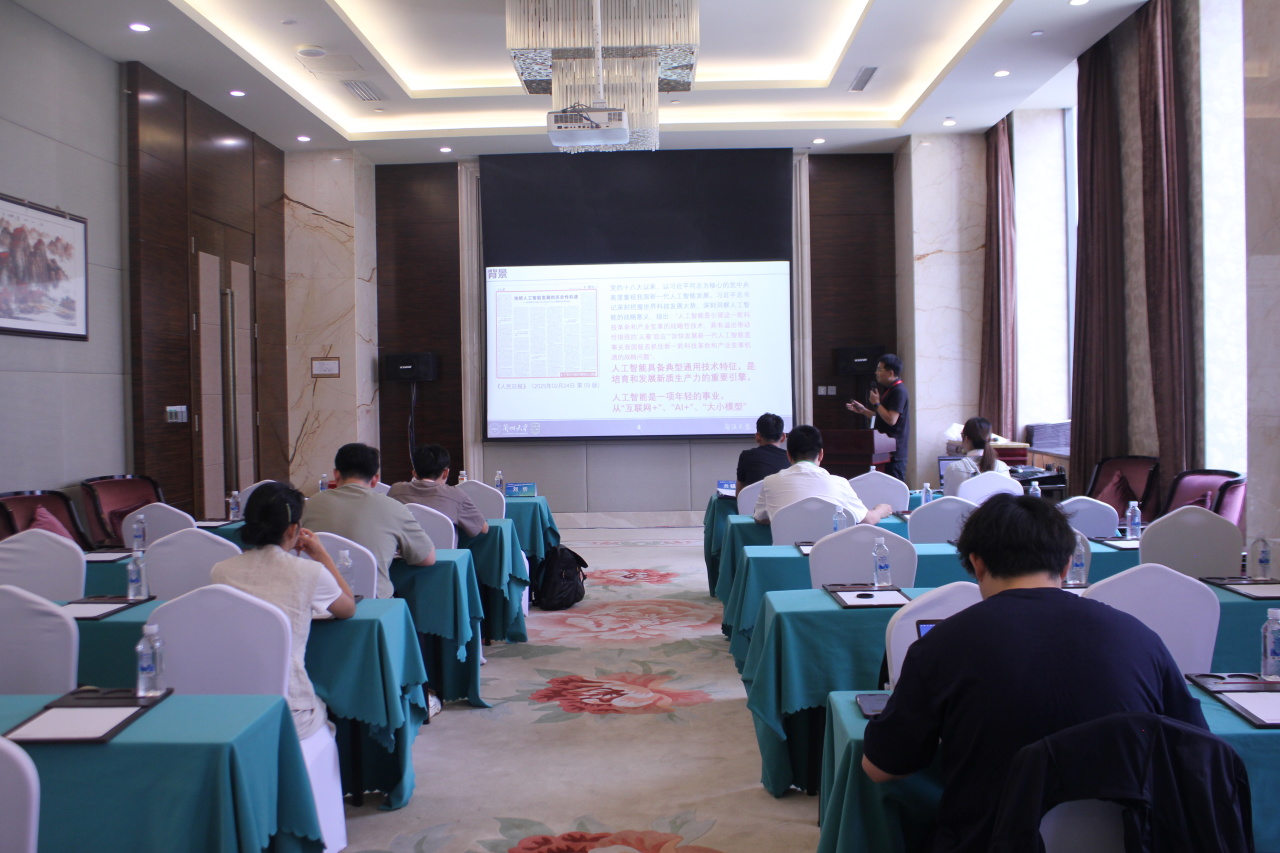
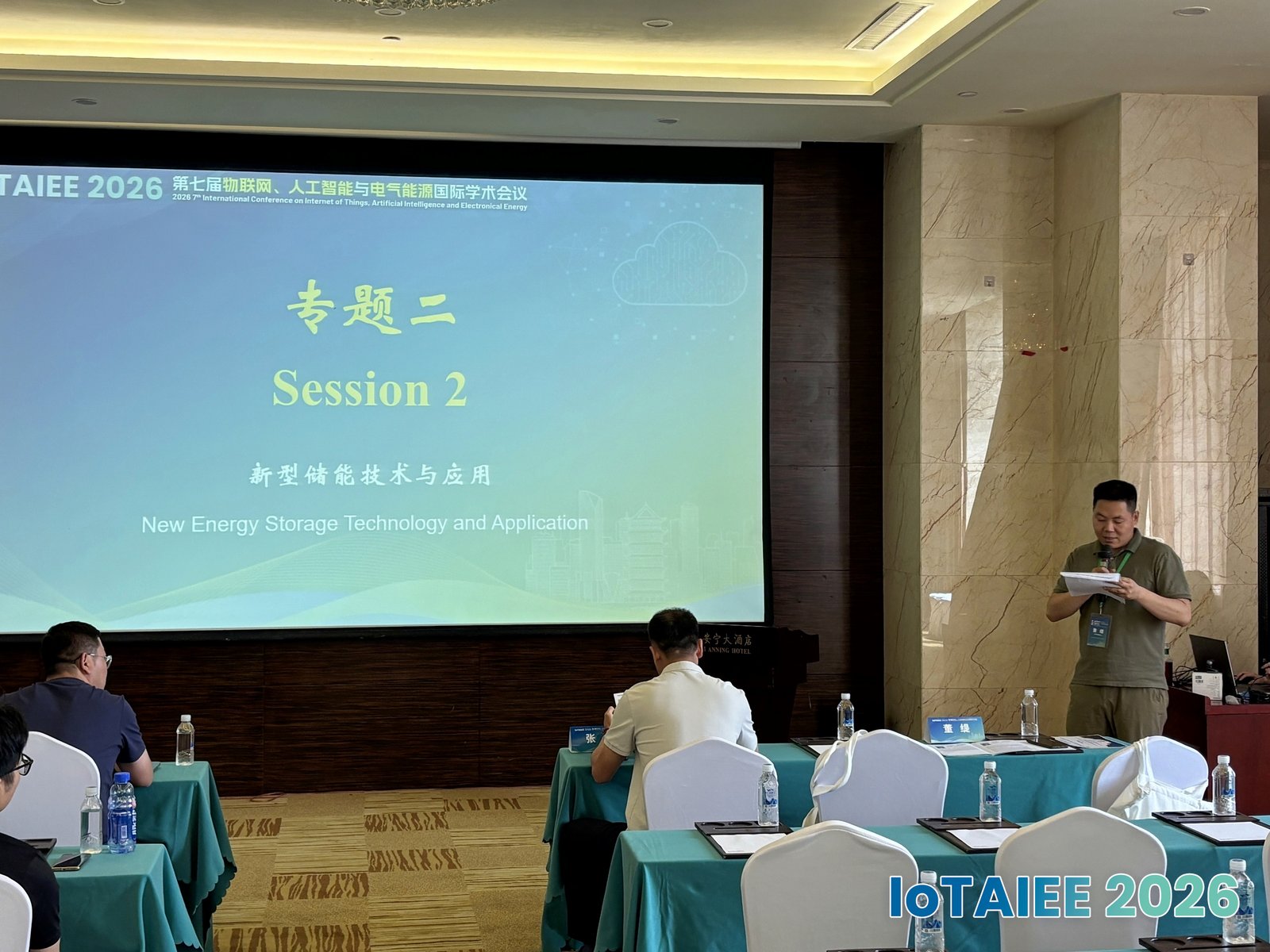
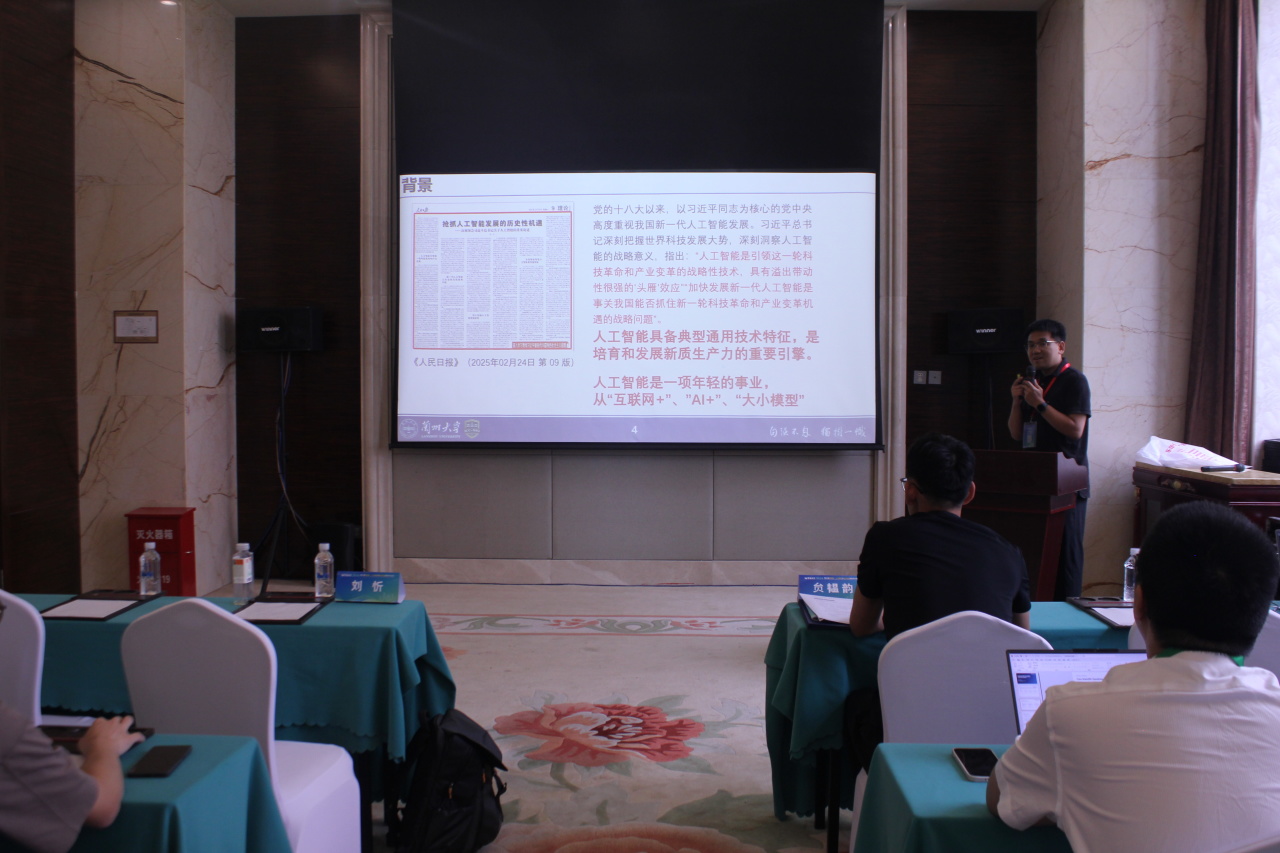
The thematic report sessions were held simultaneously in three sub-venues on the afternoon of August 22.Thematic Session 1 focused on "AI Empowering New Power Systems", convened by Yun Yunyun (Lanzhou Jiaotong University) and Liu Xin (Lanzhou University);Thematic Session 2 focused on "New Energy Storage Technologies and Applications", convened by Liu Jifei (Lanzhou Jiaotong University) and Dong Ti (Lanzhou Jiaotong University);Thematic Session 3 focused on "Industrial IoT Data Governance and Collaborative Decision-Making", convened by Chang Wenwen (Lanzhou Jiaotong University) and Jia Xiaohong (Lanzhou Jiaotong University).
专题报告环节于8月22日下午在三个分会场同步进行。专题1聚焦“人工智能赋能新型电力系统”,由贠韫韵(兰州交通大学)、刘忻(兰州大学)召集;专题2聚焦“新型储能技术与应用”,由刘骥飞(兰州交通大学)、董缇(兰州交通大学)召集;专题3聚焦“工业物联网数据治理和协同决策”,由常文文(兰州交通大学)、加小红(兰州交通大学)召集。
Scholars from the Energy Development Research Institute of China Southern Power Grid, China University of Geosciences (Beijing), Lanzhou Jiaotong University, Southeast University, Harbin University of Science and Technology, Xi'an University of Technology, and other institutions reported their latest research findings. The presentation topics covered power system transition planning, wind turbine wake recovery, thermal management of energy storage batteries, virtual power plant optimization, catenary icing measurement, EEG emotion recognition, and group decision-making strategies.
来自南方电网能源发展研究院、中国地质大学(北京)、兰州交通大学、东南大学、哈尔滨理工大学、西安理工大学等单位的学者先后汇报了最新研究成果。报告主题涵盖电力系统转型规划、风电机组尾流恢复、储能电池热管理、虚拟电厂优化、接触网覆冰测量、脑电情感识别、群体决策策略等方向。
The three thematic sessions invited three distinguished guests to give reports.
三个专题邀请3位特邀嘉宾作报告。
Associate Professor Liu Xin from Lanzhou University delivered a talk titled "Application and Reflections on Artificial Intelligence in Power Security and Audit Work." Combining team project practices, he shared practical cases of AI empowering power auditing, data security, and security operations and maintenance.
兰州大学刘忻副教授以“人工智能在电力安全与审计工作中的应用与思考”为题,结合团队项目实践,分享了AI赋能电力审计、数据安全及安全运维的实际案例。
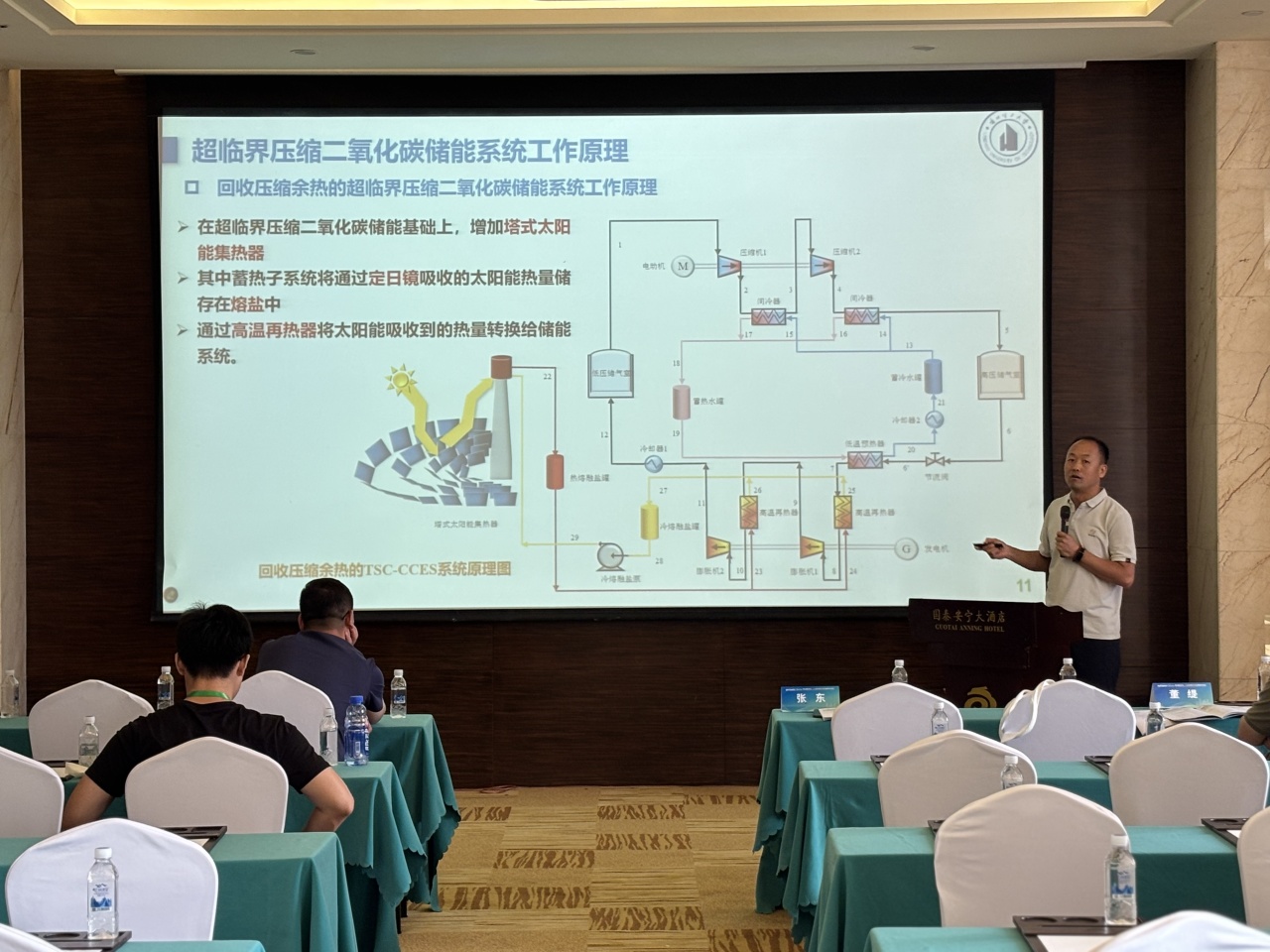
Professor Zhang Dong from Lanzhou University of Technology delivered a talk titled "Thermodynamic Study of a Tower Solar Coupled Supercritical Carbon Dioxide Energy Storage System." He proposed a system configuration with waste heat recovery. Steady-state analysis showed a round-trip efficiency of 86.39%, significantly better than the 47.21% of conventional systems, and the engineering feasibility was verified through an 8,760-hour annual dynamic simulation.
兰州理工大学张东教授以“塔式太阳能耦合超临界二氧化碳储能系统热力学研究”为题,提出了带有余热回收的系统构型,稳态分析显示往返效率达86.39%,显著优于传统系统的47.21%,并通过全年8760小时动态仿真验证了工程可行性。
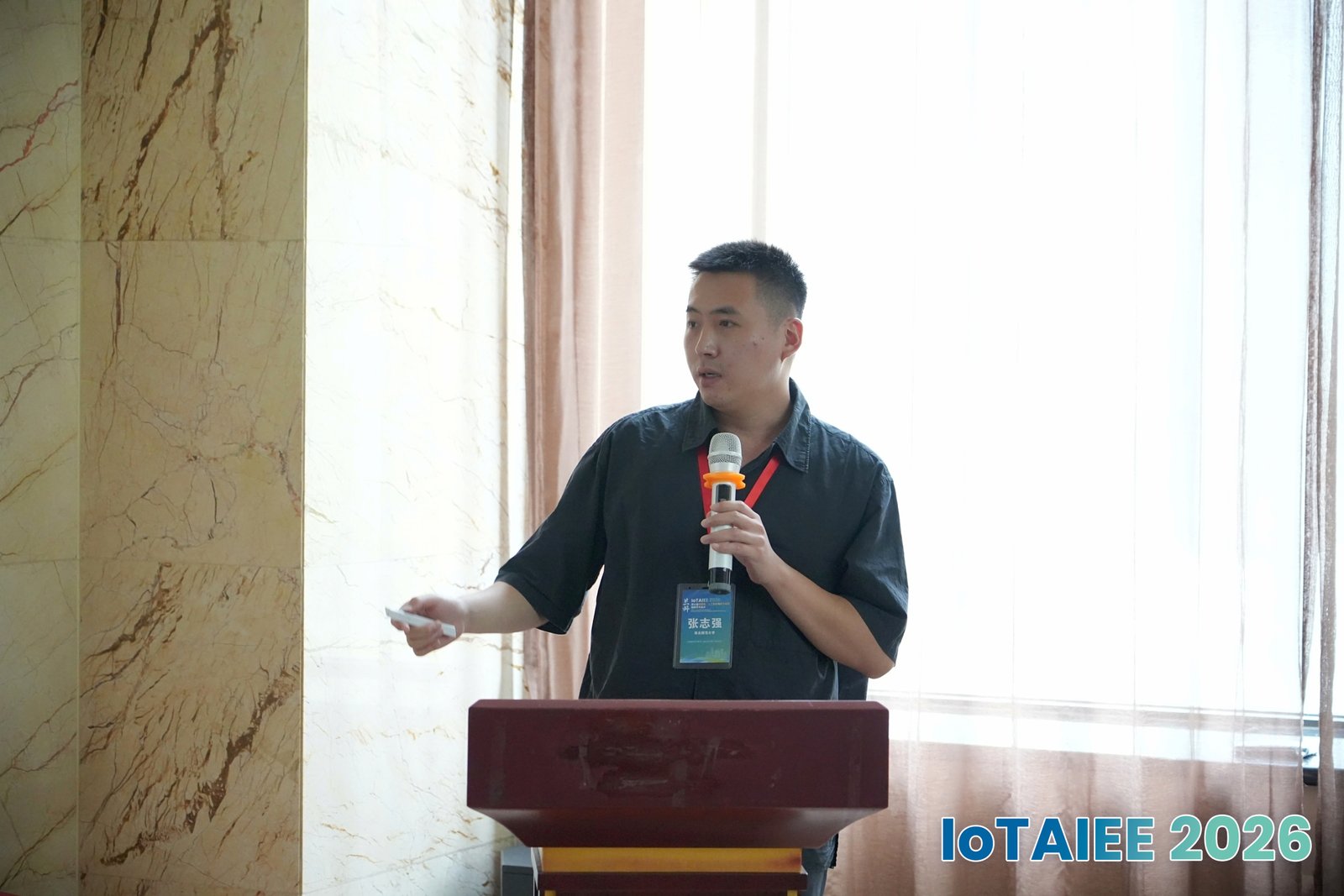
Associate Professor Zhang Zhiqiang from Northwest Normal University delivered a talk titled "Research on Key Issues of Attribute-Based Access Control in Cloud Storage." Focusing on the three dimensions of privacy enhancement, dynamic updating, and trusted deletion, he systematically introduced research outcomes on attribute-based access control spanning the full lifecycle of authorization, access, updating, and deletion.
西北师范大学张志强副教授以“云存储中属性基访问控制关键问题研究”为题,围绕隐私增强、动态更新与可信删除三个维度,系统介绍了贯通授权、访问、更新与删除全生命周期的属性访问控制研究成果。
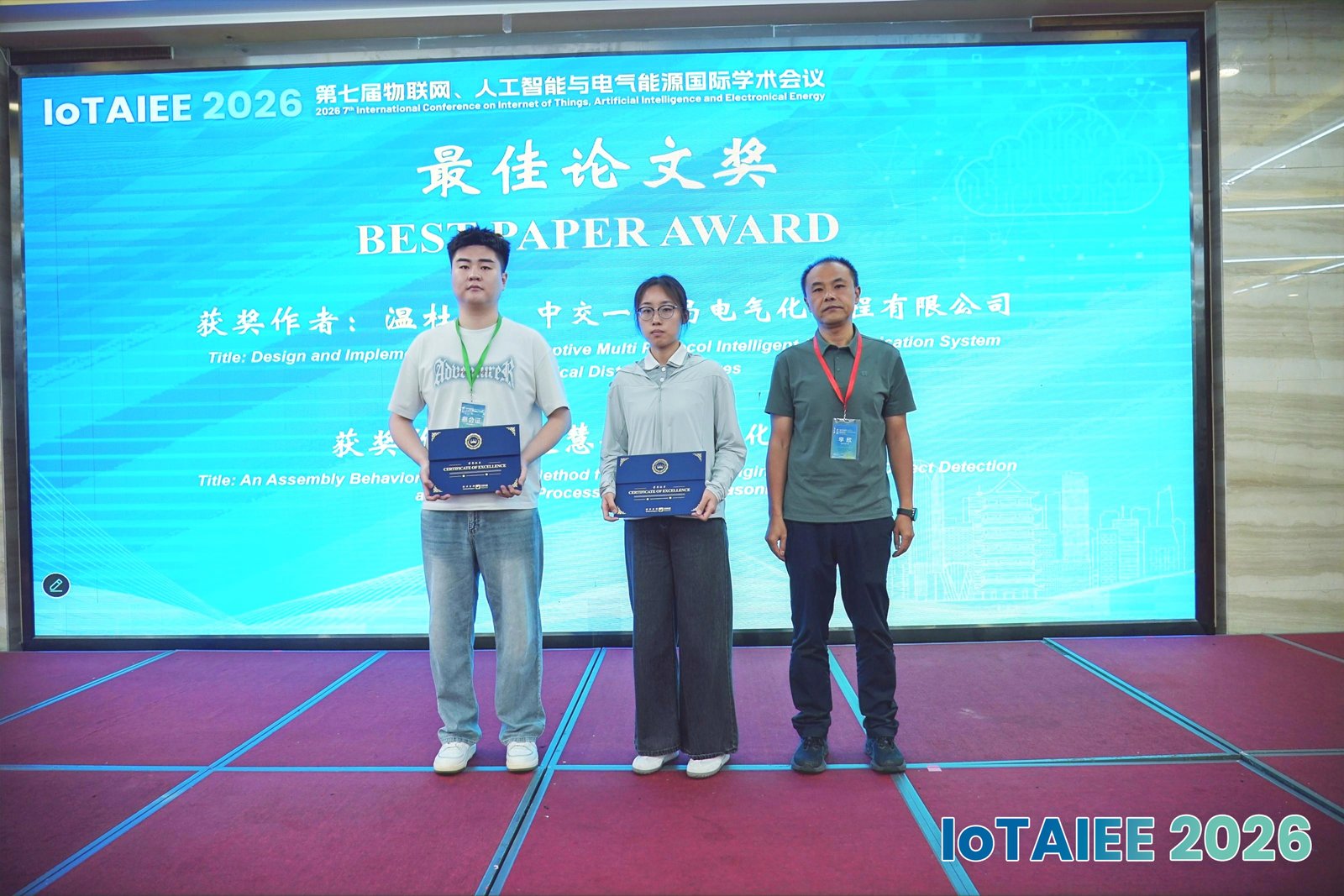
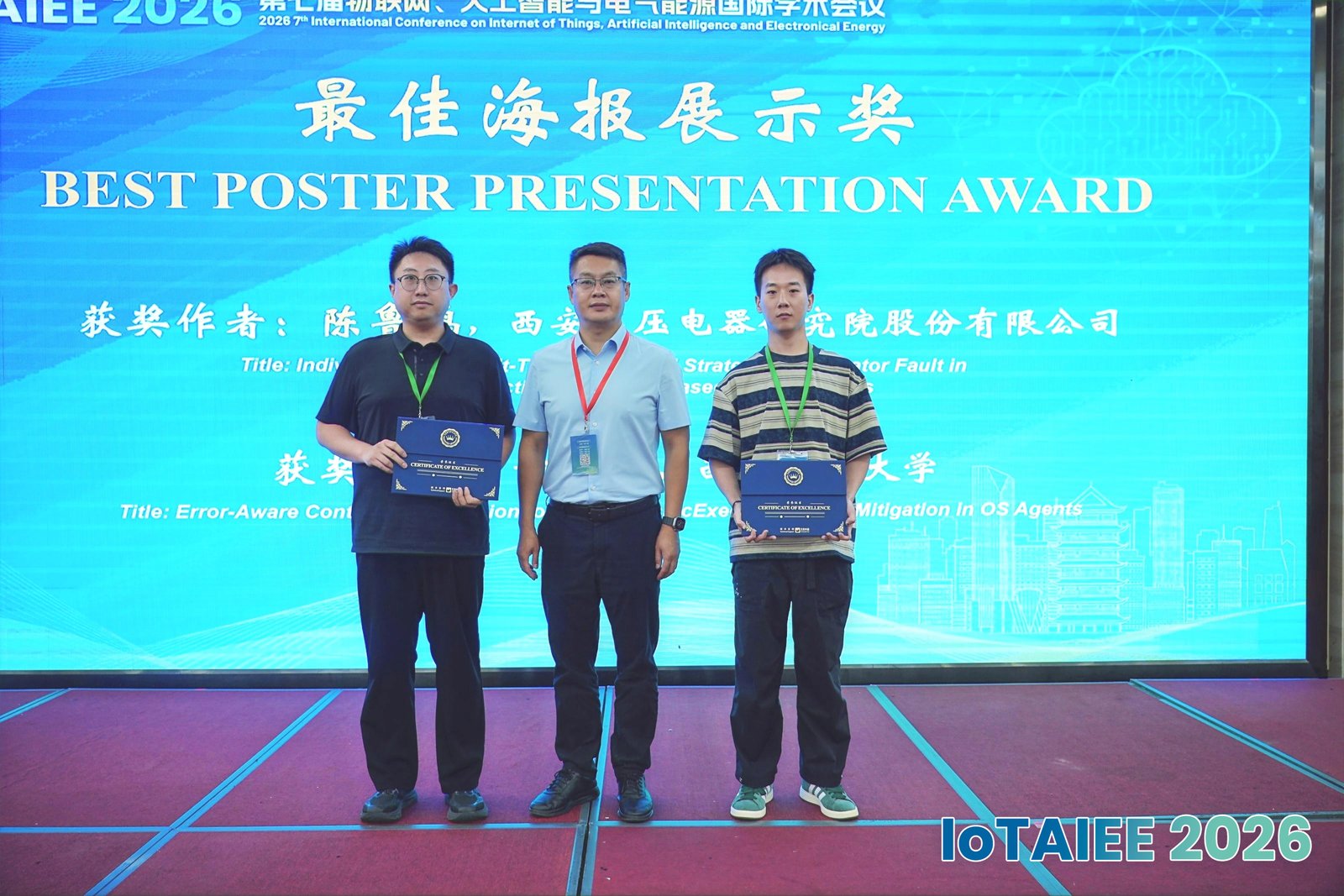
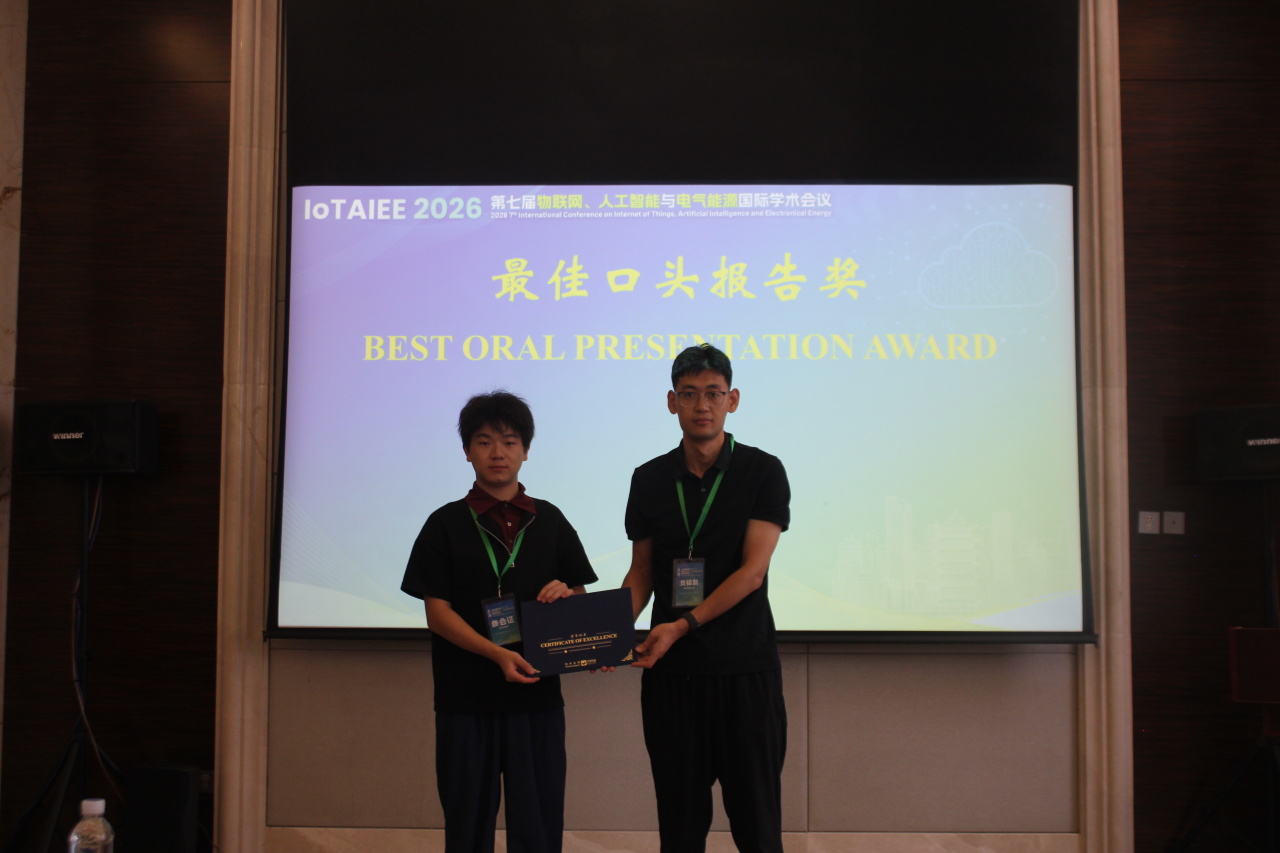
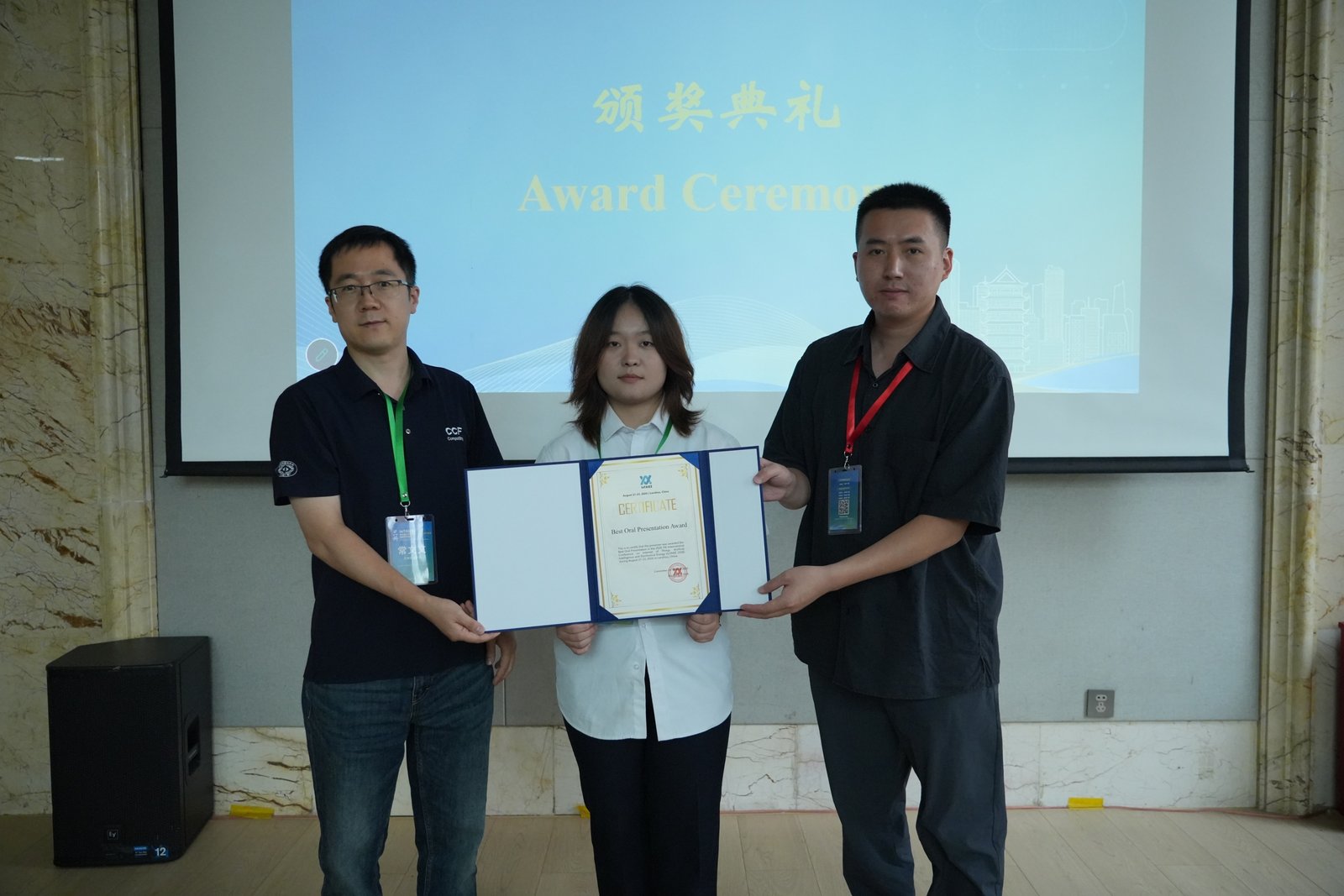
At the award ceremony, the Best Paper Award, Best Oral Presentation Award, and Best Poster Award were presented to recognize outstanding academic achievements and presentations at the conference.
颁奖典礼上,颁发了最佳论文奖、最佳口头报告奖和最佳海报奖,以表彰在本次会议中表现优异的学术成果与展示。
The successful hosting of this conference fully demonstrated the latest research progress in the interdisciplinary fields of Internet of Things, artificial intelligence, and electrical energy, built a high-level exchange platform for scholars at home and abroad, and effectively promoted multidisciplinary cross-fertilization and cooperation. The conference not only promoted the deep integration of theoretical research and engineering practice, but also injected new momentum into the industrial application of new energy and smart grid technologies. In the future, the IoTAIEE conference will continue to be committed to promoting sustained innovation and industrial application in the fields of Internet of Things, artificial intelligence, and electrical energy, contributing wisdom and strength to global scientific and technological development.
本次会议的成功举办,充分展示了物联网、人工智能与电气能源交叉领域的最新研究进展,为国内外学者搭建了高水平的交流平台,有效促进了多学科交叉与合作。会议不仅推动了理论研究与工程实践的深度融合,也为新能源与智能电网技术的产业化应用注入了新动能。未来,IoTAIEE会议将继续致力于推动物联网、人工智能与电气能源领域的持续创新与产业应用,为全球科技发展贡献智慧与力量。